

2015

Source: Mattel


,
,

Curators' Team
Hello Barbie
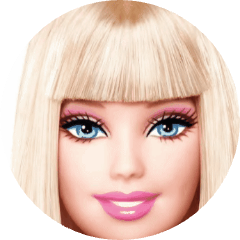
Mattel introduced Hello Barbie at the New York Toy Fair on February 14, 2015. A Mattel spokeswoman said: “The number one request we hear from girls around the world is that they want to have a conversation with Barbie. Now, for the first time ever, Barbie can have a two way conversation.” The doll was made with ToyTalk, a technology company started in 2011 by former Pixar executives, which had raised $31 million in venture capital by December 2015. When a child holds down the doll’s belt buckle and speaks, the audio travels over WiFi to ToyTalk’s servers, which recognize the speech and return a reply. Parents had to download a companion app, create a ToyTalk account and give consent before the doll’s connection and recording features worked. The doll remembers details a child shares, such as a favorite color, and brings them up later. Oren Jacob, a cofounder of ToyTalk and a former Pixar executive, said that a conversation could last as long as half an hour, and Snopes reported that the doll could play for an hour on a full charge. Marketplace reported on October 29, 2015, that the doll would reach stores in late November.
On March 11, 2015, the Campaign for a Commercial Free Childhood asked Mattel to cancel the doll. Susan Linn, the group’s executive director, said: “Kids using Hello Barbie aren’t only talking to a doll, they are talking directly to a toy conglomerate whose only interest in them is financial.” Mattel said that its products conform to applicable laws and standards, among them the Children’s Online Privacy Protection Act, and that Hello Barbie contained no advertising content. On November 9, 2015, the group started a social media campaign called Hell No Barbie.
In late 2015 security researchers reported flaws. Matt Jakubowski said he obtained system information, WiFi network names, the doll’s MAC address, account IDs and MP3 files. Researchers at Bluebox Security and Andrew Hay, then research director at OpenDNS, found that the password protecting the mobile app’s certificate was stored in the app, that phones with the app would connect to any WiFi network with Barbie in its name, and that ToyTalk’s servers were open to the POODLE attack. ToyTalk’s chief technology officer, Martin Reddy, said the company had patched the POODLE problem and was not aware of anyone gaining access to WiFi passwords or children’s audio, and the company started a bug bounty program. Bluebox said that ToyTalk began patching within a day of being contacted.
ToyTalk was later renamed PullString. A notice quoted by Infosecurity Magazine says that on July 15, 2019, PullString ended the services and technology that powered certain features of the Hello Barbie doll and the Barbie Hello Dreamhouse.
LOADING...


Added By
Added By
Item Year
Added By
Year Added
Added By
Location
Added By
Source
Added By
Hello Barbie
Mattel introduced Hello Barbie at the New York Toy Fair on February 14, 2015. A Mattel spokeswoman said: “The number one request we hear from girls around the world is that they want to have a conversation with Barbie. Now, for the first time ever, Barbie can have a two way conversation.” The doll was made with ToyTalk, a technology company started in 2011 by former Pixar executives, which had raised $31 million in venture capital by December 2015. When a child holds down the doll’s belt buckle and speaks,…

ADDED BY:
Curators' Team

Hello Barbie
ADDED BY:
Curators' Team


Added By
Added By
Item Year
Item Year
Year Added
Item Year
Source
Item Year
Location
Item Year
Mattel introduced Hello Barbie at the New York Toy Fair on February 14, 2015. A Mattel spokeswoman said: “The number one request we hear from girls around the world is that they want to have a conversation with Barbie. Now, for the first time ever, Barbie can have a two way conversation.” The doll was made with ToyTalk, a technology company started in 2011 by former Pixar executives, which had raised $31 million in venture capital by December 2015. When a child holds down the doll’s belt buckle and speaks, the audio travels over WiFi to ToyTalk’s servers, which recognize the speech and return a reply. Parents had to download a companion app, create a ToyTalk account and give consent before the doll’s connection and recording features worked. The doll remembers details a child shares, such as a favorite color, and brings them up later. Oren Jacob, a cofounder of ToyTalk and a former Pixar executive, said that a conversation could last as long as half an hour, and Snopes reported that the doll could play for an hour on a full charge. Marketplace reported on October 29, 2015, that the doll would reach stores in late November.
On March…

Item Year
Item Year
ITEM YEAR
2015
Year Added
2025
Source
Mattel
Location
N/A
Keep up with history
in the making.
Plus, get invited to curate, including telling
your own stories, and receive new product alerts and priority collab opportunities.
Customize preferences.
LOCATION
Item Year
ITEM YEAR
Item Year
ITEM YEAR
Item Year
YEAR ADDED
Item Year
SOURCE
Item Year
LOCATION
Item Year
SOURCE
Item Year
YEAR ADDED
Item Year
ADDED BY
Item Year
ADDED BY
Item Year
2015
ITEM YEAR
ADDED BY
Item Year
Hello Barbie
Mattel introduced Hello Barbie at the New York Toy Fair on February 14, 2015. A Mattel spokeswoman said: “The number one request we hear from girls around the world is that they want to have a conversation with Barbie. Now, for the first time ever, Barbie can have a two way conversation.” The doll was made with ToyTalk, a technology company started in 2011 by former Pixar executives, which had raised $31 million in venture capital by December 2015. When a child holds down the doll’s belt buckle and speaks, the audio travels over WiFi to ToyTalk’s servers, which recognize the speech and return a reply. Parents had to download a companion app, create a ToyTalk account and give consent before the doll’s connection…